The Neuroscience of Nostalgia: How Comfort Brands Win in Uncertain Times
November 24, 2025
Why does a taste, a smell, or a brand name from our past hold such powerful sway? The answer isn't just in our hearts—it's in our brains.
In neurologically uncertain times, consumers are hardwired to seek comfort and safety. Nostalgia is a powerful psychological resource that provides exactly that. When we encounter a brand from our childhood, it triggers a complex and positive emotional response:
- A Neural Safe Haven: Nostalgic recall activates the brain's reward pathways and the prefrontal cortex, associated with self-reflection and meaning. It literally makes us feel good, creating a positive halo effect around any product associated with that feeling.
- The Authenticity Antidote: For Millennials and Gen Z, who came of age in a digitally curated world, legacy brands feel inherently more authentic and trustworthy than new, influencer-backed products. They represent a "simpler time," a tangible piece of history that can't be faked.
- Social and Self-Connection: These brands act as social tokens, creating instant bonds between generations. A parent can share a brand they loved with their child, creating a new shared memory and reinforcing family traditions.
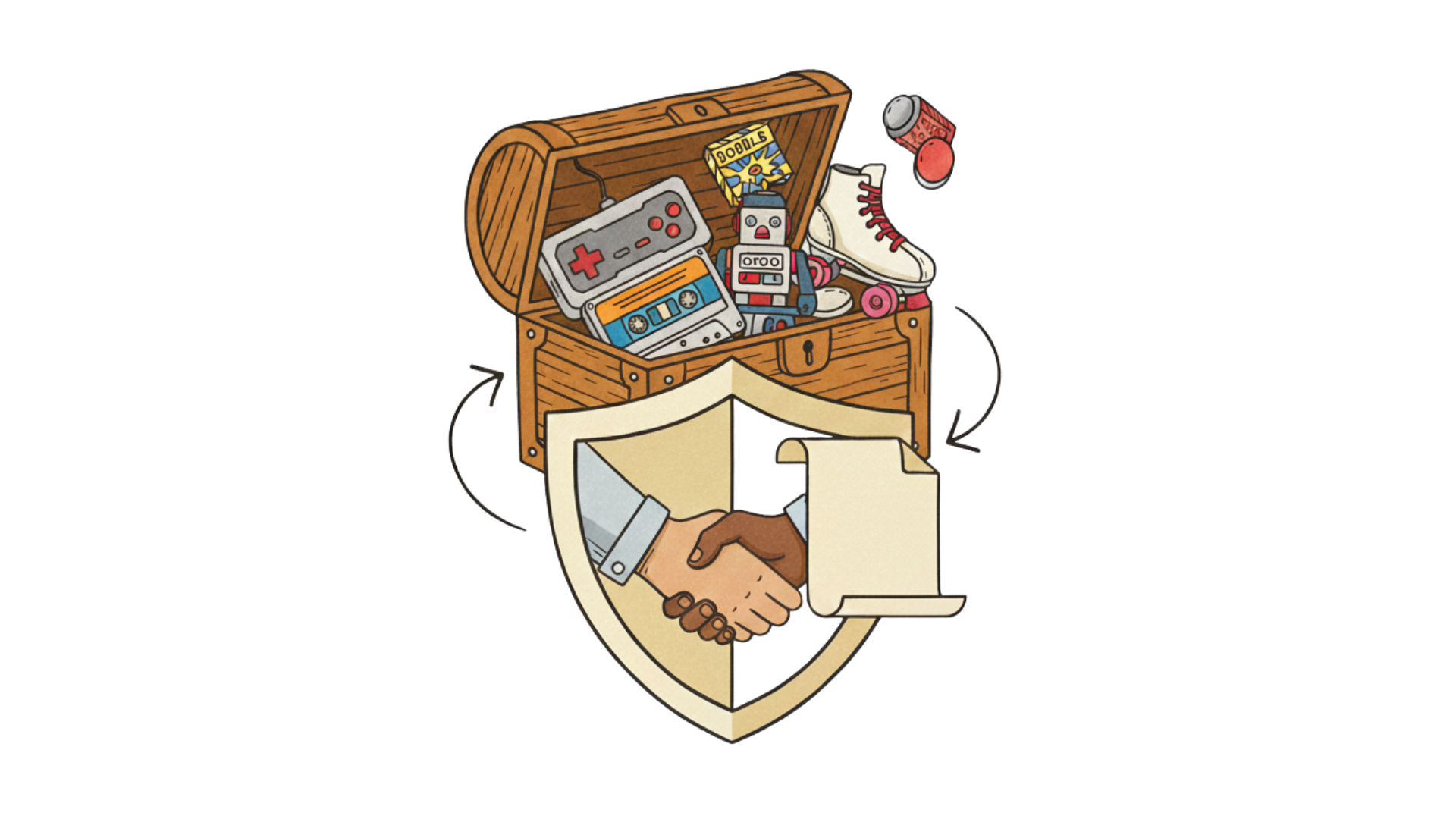
At Brands Worth Repeating, we don't just see old brands; we see psychological anchors. A brand like CINNABURST isn't just a name; it's a vessel for memories of Saturday morning cartoons and after-school snacks. By reintroducing these brands, we're not just selling products—we're offering a moment of comfort, a hit of dopamine, and a connection to a happier past.
This isn't a fleeting trend; it's a fundamental human response. Tapping into it is the key to building lasting consumer relationships.